
How Professionals Find Hidden Heat Loss, Drafts & Costly Inefficiencies
Ever wonder why your heating bill feels too high even when the thermostat is set just right? A home energy audit is a comprehensive evaluation of how your home uses energy—and where it’s being wasted. Unlike a quick DIY check, professional audits use tools like blower door testing and infrared cameras to uncover problems you can’t see with the naked eye. In this post, we’ll take you behind the scenes of a home energy audit and show you what really happens during the process.
The Goal of a Home Energy Audit
The main goal of a home energy audit is simple: identify where energy is being lost and how to fix it. Audits help homeowners lower utility bills, improve comfort, and prioritize upgrades that deliver the biggest return. Many utility programs encourage audits because they lead to measurable efficiency improvements and long-term savings.
What Homeowners Can Prepare
Before the auditor arrives, a little preparation helps. Homeowners are encouraged to gather recent utility bills, note problem areas like drafts or cold rooms, and make sure the attic, basement, HVAC system, and crawl spaces are accessible. This ensures the inspection can be thorough and efficient.
Step-by-Step: What Happens During an Audit
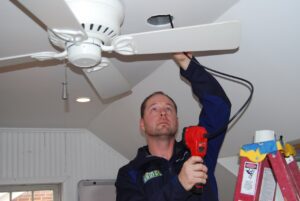
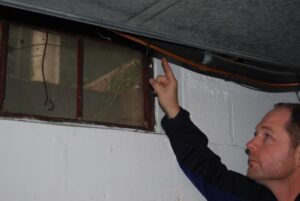
So what actually happens behind the scenes of a home energy audit? It begins with an initial consultation, where the auditor reviews your energy use and listens to your comfort concerns. Next comes an exterior inspection to look for visible leaks around windows, doors, the foundation, and rooflines. Inside, the auditor conducts a room-by-room walkthrough to evaluate insulation, ductwork, HVAC equipment, and major appliances.
Understanding the Findings
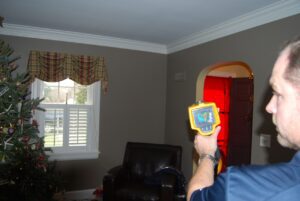
Diagnostic testing is where the real insight happens. A blower door test measures how much air is leaking in and out of your home, while infrared imaging reveals temperature differences that point to insulation gaps and drafts hidden inside walls and ceilings. These tools make the invisible visible.
Common Recommendations After an Audit
After testing, the findings are analyzed and compiled into a written report. This report outlines where your home is losing the most energy and prioritizes recommended improvements. Common solutions include air sealing around windows and attic penetrations, adding or upgrading insulation, sealing ductwork, improving HVAC performance, and conducting combustion safety checks to protect indoor air quality.
Benefits You Can Expect
The benefits are clear. Homeowners can expect lower energy bills, fewer drafts, more consistent indoor temperatures, and healthier air. Perhaps most valuable is having a clear roadmap for future improvements—so you’re not guessing where to invest.
Conclusion
The home energy audit is a process designed to turn hidden problems into actionable solutions. Professional audits go far beyond what you can spot on your own, providing data-driven guidance that improves comfort and saves money.
Schedule a Home Energy Audit today to discover exactly where your home is losing energy and take the first step toward a more efficient, comfortable home. Contact us.