
Is Your Attic Ready to Keep the Warmth In?
As the days get shorter and the temperatures start to slip, one thing’s for sure—winter’s coming, Maryland. And while most homeowners focus on the thermostat or the furnace this time of year, the real make-or-break factor for winter comfort is sitting right above your head: the attic. In Maryland’s climate, studies show that uninsulated or poorly insulated attics can leak away a huge chunk of your home’s warmth, driving up heating bills and leaving rooms drafty and uneven. Before the cold fully settles in, now is the perfect time to make sure your attic is ready to keep the warmth in where it belongs.
The Science of Insulation — Why Attics Are Critical
Your attic plays one of the biggest roles in keeping your home warm during Maryland’s colder months. Insulation works by slowing the transfer of heat, and without enough of it, warm air from your living space easily escapes into the attic and right out through the roof. According to the University of Maryland Extension, homes in our region should have at least R-49 of attic insulation to maintain efficient winter performance. But many older homes fall far short of that—especially if the insulation has settled, compressed, or been disrupted over time.
Different insulation materials offer different levels of protection. Loose-fill cellulose, fiberglass batts, and spray foam all have unique R-values per inch, and if the depth isn’t adequate across the entire attic floor, heat will find its way out. It only takes one uninsulated corner or a few gaps around ductwork or wiring to undo the benefits of the rest of the space. That’s why inspecting both the quantity and condition of insulation is essential before the cold hits.
What’s at Risk — Heat Loss, High Bills & Ice Dams
When attic insulation falls short, your home pays the price all winter long. Studies show that up to 25% or more of a home’s heat loss can occur through an under-insulated attic, causing your heating system to work overtime just to maintain comfortable temperatures. That means higher utility bills, uneven warmth between floors, and a furnace that’s pushed harder than it needs to be.
But the risks go beyond rising energy costs. Poor insulation can lead to condensation in the attic, especially during cold Maryland winters when warm indoor air meets frigid roof surfaces. Over time, this moisture can weaken insulation, damage wood framing, and create ideal conditions for mold growth—affecting both home durability and indoor air quality.
Another hidden danger? Ice dams. When heat escapes from the attic and melts snow on the roof, the water refreezes at the edges, forming dams that trap moisture behind them. This can cause roof leaks, water stains, and costly damage to ceilings and walls. The good news is that proper insulation and ventilation dramatically reduce this risk.
Pre-Winter Attic Check-Up — What to Inspect
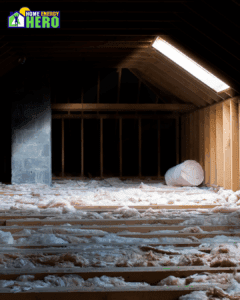
Before winter settles in, a quick attic check-up can reveal issues that lead to heat loss and high energy bills. Start by looking at the insulation depth and distribution. In Maryland, you should see enough material to reach at least R-49—usually around 14 to 18 inches depending on the type. If you can easily see your attic joists, that’s a clear sign you don’t have enough insulation.
Next, check for air leaks and bypasses, which often hide around plumbing penetrations, wiring holes, recessed lights, and attic access doors. Even small gaps can let warm air escape and reduce insulation performance.
Ventilation is another key factor. Make sure soffit, ridge, and gable vents are open and unobstructed. Blocked vents trap warm, moist air in the attic, leading to condensation, mold risk, and diminished efficiency.
While you’re there, look for signs of summer or storm damage, such as stained wood, sagging insulation, pest evidence, or darkened patches that indicate moisture. Finally, if your HVAC ducts run through the attic, check for loose connections, torn insulation, or airflow leaks that could cost you comfort and money.
Conclusion: Get Ahead Before Winter Hits
Winter’s coming, the smartest first step you can take is understanding exactly what your home needs—and what it doesn’t. A Home Energy Audit gives you a detailed, data-backed look at how your attic and entire home are performing, so you’re not guessing about where heat is escaping or which improvements will actually make a difference. Using tools like blower door testing and infrared imaging, an audit reveals hidden air leaks, insulation gaps, ventilation issues, and ductwork problems most homeowners never see on their own.
By prioritizing fixes based on comfort, efficiency, and cost savings, an audit creates a clear roadmap to a warmer, more efficient home—whether you need simple sealing, insulation upgrades, or more extensive improvements. Don’t wait for the first cold snap to highlight what’s missing. Schedule your Home Energy Audit with Home Energy Hero today and make sure your attic is truly ready for winter, contact us.